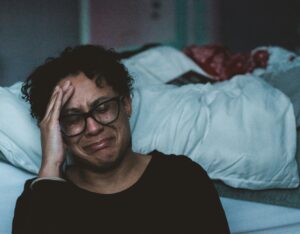
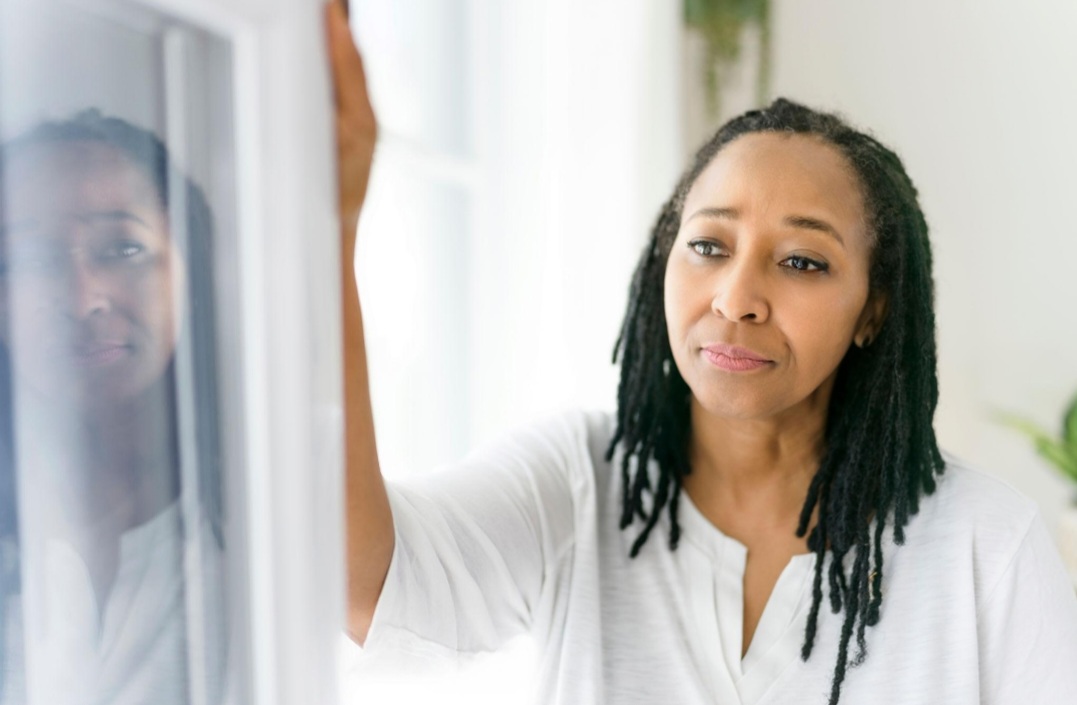
Sometimes, the person you call “me” is actually a survival strategy you learned a long time ago.
Perhaps you became the strong one because there was nobody else to lean on.
Perhaps you learned to keep everyone happy because conflict never felt safe.
Perhaps you became fiercely independent because depending on others repeatedly ended in disappointment.
Perhaps you became a perfectionist because making mistakes never felt acceptable.
And somewhere along the way, these behaviours stopped feeling like things you learned and started feeling like who you are.
But what if they aren’t the whole of you?
When Survival Becomes an Identity
We often describe ourselves with statements like:
“I’m just a very independent person.”
“I don’t like asking for help.”
“I always put everyone else first.”
“That’s just how I am.”
Sometimes, however, there is a deeper story underneath.
You may not have been born unable to receive help. You may have learned that needing people made you vulnerable.
You may not naturally avoid conflict. You may have learned that keeping the peace was safer.
You may not naturally put everyone else first. You may have learned that your needs were less important.
This doesn’t mean every personality trait comes from past hurt. But it can be powerful to become curious about the parts of ourselves that feel almost impossible to change.
Because sometimes, beneath “That’s just me” is another sentence:
“That’s who I had to become.”
And those two things are not always the same.
When You No Longer Need to Survive
The difficult part comes when life changes, but your survival strategies don’t.
You may now be in a safer environment, surrounded by people who genuinely care about you, yet you still struggle to trust.
You may have a loving partner but find it difficult to be vulnerable.
You may have people willing to help but instinctively respond, “I’m fine.”
You may continue saying yes when your entire body is begging you to say no.
And perhaps one day you begin to wonder:
“Why am I still living as though the emergency is happening?”
That question can change everything.
Healing doesn’t necessarily mean becoming a completely different person. Sometimes it means recognising which parts of yourself were built to protect you and deciding whether they still serve you.
For someone who has spent years putting everyone else first, learning to set boundaries may initially feel selfish. If you’ve spent your life being strong, allowing yourself to need someone may feel frightening.
And if you are like me, trying to find yourself again after moving abroad, choosing yourself may initially feel uncomfortable.
But discomfort doesn’t always mean you’re doing something wrong.
Sometimes it means you’re doing something new.
You Can Thank the Old You and Still Outgrow Her
There is a younger version of you who deserves compassion.
She adapted to what she knew.
She protected you in the only ways she could.
She helped you survive.
You don’t have to hate her for the ways she coped.
You can thank her—and still choose differently.
You can learn to say no.
You can accept help.
You can rest without earning it.
You can stop explaining yourself to everyone.
You can allow yourself to be vulnerable.
You can discover what you actually want.
And perhaps the most beautiful part of growing emotionally is realising that you don’t have to spend the rest of your life being the person circumstances forced you to become.
If you are interested in the experience of rediscovering yourself after migration, you may also enjoy my reflection, The Woman I Became After Moving Abroad: What Leaving Home Taught Me About Strength, Loneliness and Finding Myself Again.
Taking care of our mental wellbeing also means recognising our emotions, maintaining meaningful connections and finding healthy ways to cope with life’s challenges. The NHS offers further guidance on looking after your mental wellbeing.
You have survived.
Now, perhaps, it is time to learn how to live.
And maybe the question isn’t:
“How do I become stronger?”
Maybe it is:
“Who could I become if I finally believed I was allowed to be myself?”