
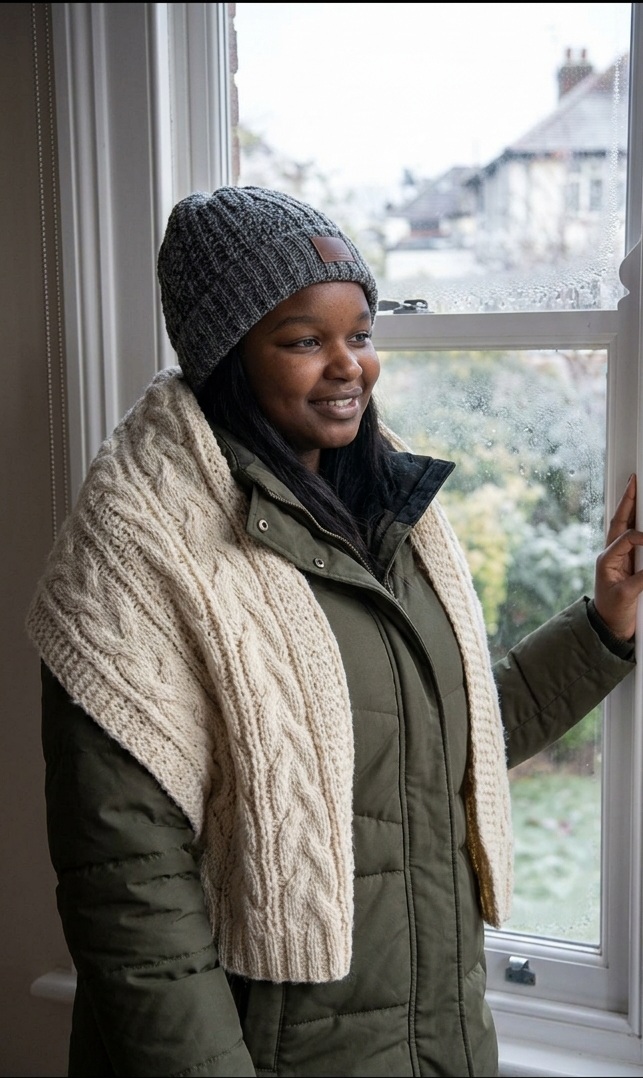
Knowing About Winter Is Different from Experiencing It
When I first moved to the United Kingdom, I knew winter would be cold. After all, everybody talks about the British weather. I had seen pictures of people wrapped in thick coats, wearing scarves and gloves, and walking through streets covered in snow.
I thought I understood what I was preparing for.
But knowing that a country gets cold and actually experiencing your first winter there are two very different things.
Nobody really prepares you for what it feels like to leave home in the darkness and return home in the darkness. Nobody tells you how expensive keeping warm can become when the temperature drops. And nobody explains how something as ordinary as the weather can affect your mood, your sleep, your energy and even your appreciation of the life you worked so hard to build.
My first winter in the UK taught me that moving abroad is not just about finding work, earning money and creating a better future. Sometimes, it is also about learning how to live through unfamiliar seasons, both outside and within yourself.
The Cold Was More Than I Expected
I knew I needed warm clothes, so I prepared as best I could. I understood that winter meant coats, gloves, scarves and proper footwear.
But there is a difference between putting on a coat because the weather is cold and having to go out to work when the cold seems to find its way through everything you are wearing.
As someone who works, I cannot simply decide to stay indoors because the weather is unpleasant. There are responsibilities to meet, shifts to attend and people depending on you to show up.
Some winter mornings, the thought of leaving a warm bed and stepping into the cold can be difficult enough. Then you remember that you have a full day ahead of you, and you have to get yourself moving.
You dress in layers, cover up as much as possible and head out, even when every part of you would rather remain indoors.
For immigrants who have moved to the UK for work, this can be particularly challenging. Many of us did not come here on holiday. We came with plans, responsibilities and people we want to support. We cannot always rearrange our lives around the weather.
You may be tired, cold and wishing you could have one more hour under your duvet, but the bills will not pay themselves.
And so, you get up and carry on.
The Bills: The Part of Winter Nobody Warned Me About Enough
If there is one thing I wish I had understood better before experiencing a British winter, it is the cost of keeping a home warm.
Before moving here, you might calculate your rent, transport, food and other monthly expenses. You may even leave room for unexpected costs. But when winter arrives, the amount you spend on heating can become another source of worry.
You want to keep your home warm, especially when you return from the cold. You want to sit comfortably, relax and sleep without shivering. If you have children, you also want them to be warm and comfortable.
But every time you think about putting the heating on, there may be another thought at the back of your mind: How much is this going to add to my bill?
That is a difficult position to be in. You need warmth, but you also need to manage your money.
For immigrants who are still finding their feet financially, these extra costs can feel particularly heavy. You may already be paying rent, sending money home, supporting family members or trying to save towards the future you imagined when you decided to relocate.
Suddenly, staying warm becomes another item on a long list of financial responsibilities.
I have come to understand that the dream of living abroad comes with expenses that are not always obvious before you arrive. I wrote more about this in my article, The Cost of the Dream: What Immigrants Don’t Expect After Moving Abroad.
Winter can make you realise that earning money in a new country is only one part of the story. What matters, too, is how much it costs to live there.
If you are struggling with energy costs, the UK government provides information about possible support through its Help with your energy bills guidance. It is worth checking what assistance may be available to you.
When the Cold Follows You Into Bed
One of the hardest things about being cold is that you expect your home to offer relief.
After a long day, you want to return to your room, get comfortable and rest. You want to sleep peacefully because you know another working day is waiting for you.
But what happens when your room still feels cold at night?
There were times when the cold made sleeping difficult. You could be lying in bed, trying to get comfortable, but instead of drifting off, you are thinking about how to keep warm.
You pull the duvet closer. You adjust your position. You try to settle down, hoping that sleep will come.
And when it does not come easily, frustration can set in.
The problem is that poor sleep does not always remain a nighttime problem. You may wake up feeling tired, struggle to concentrate and find it harder to manage the ordinary demands of the day.
When you already have work, family responsibilities and financial concerns, feeling exhausted can make everything seem heavier.
This is why I believe that keeping warm during winter is not simply about comfort. It is also about looking after our wellbeing.
If the cold is affecting your sleep, it may help to check for draughts, use suitable warm bedding, wear comfortable layers and heat the rooms you use when you can do so safely and affordably. If you are worried about the temperature in your home or your ability to keep it warm, seek advice rather than assuming you must simply endure it.
You deserve to rest in your own home.
The Darkness Can Affect You, Too
The cold is one thing. The darkness is another.
During the winter months, daylight hours are shorter. You may leave home when it is still dark and return after the sun has gone down. On some days, it can feel as though you have barely seen daylight at all.
Think about that for a moment.
You wake up, get ready for work, travel, complete your shift and return home. You have responsibilities waiting for you there, too. By the time you finish everything, you may be too tired to do much else.
When the days are brighter, you might feel more inclined to take a walk, meet a friend or spend some time outdoors. During winter, even these simple activities can require more effort.
The weather can make you want to stay indoors, while the darkness can leave you feeling as though the day has ended before you have had a chance to enjoy it.
I do not believe everyone experiences winter in the same way. Some people love it. They enjoy the cosy evenings, warm drinks, thick jumpers and the excuse to spend more time at home.
Others find the season draining.
You may notice that your motivation is lower than usual. You might feel less interested in activities you normally enjoy or find yourself longing for brighter days.
There is nothing wrong with acknowledging that the season is affecting you. You do not have to pretend to love winter simply because you live in a country where it happens every year.
Missing Home Can Feel Different in Winter
Living abroad means learning to live with distance. You miss people, familiar places, food, celebrations and the comfort of being somewhere that feels like home.
Winter can make those feelings more noticeable.
When you are cold and tired, you may find yourself thinking about the warmth of familiar surroundings, the people you would ordinarily spend time with or the simple comfort of being close to family.
You might remember how different life felt back home, even if you know that moving abroad was the right decision for you.
That is one of the complicated things about starting a new life in another country: you can be grateful for the opportunities you have and still miss the life you left behind.
You can appreciate the work you have, the progress you are making and the future you are building while admitting that some days are difficult.
These feelings do not mean you have failed. They do not automatically mean you made the wrong decision.
Sometimes, they simply mean you are human and you are adjusting.
I explored some of these feelings in When Home Is Thousands of Miles Away: The Mental Health Cost of Living Abroad.
If winter leaves you spending more time alone, it may also intensify feelings of loneliness. You might cancel plans because it is cold, avoid going out because it is dark or tell yourself that you will reconnect with people when the weather improves.
But weeks can pass this way.
If you have experienced loneliness since moving abroad, you may relate to my article on Loneliness After Moving Abroad.
Even when you cannot travel home or see the people you miss, staying connected through a phone call, a message or a planned conversation can help you feel less isolated.
How I Try to Look After Myself During Winter
I have learnt that I cannot control the weather, but I can pay attention to how I respond to the season.
I do not always get everything right, and I am not suggesting that a few simple habits will make every winter easy. However, there are things worth trying.
1. I remind myself that winter is a season, not my whole life.
When the days feel long and gloomy, it helps to remember that the season will change. I do not have to enjoy every part of winter, but I can take it one day at a time.
2. I try to make warmth a priority.
Keeping warm matters. Suitable clothing, warm bedding and making sensible use of home heating can help. Where heating costs are a concern, checking available support and seeking practical advice can make the situation feel less overwhelming.
3. I pay attention to rest.
When you are working and managing family responsibilities, it is easy to keep going until your body forces you to stop. Winter reminds me that rest is not something I should have to earn after exhausting myself.
Even when I cannot get everything done, I need to recognise that I am a person with limits.
4. I make room for small things that bring comfort.
Sometimes, it is a warm drink, a favourite song, a conversation with someone I love or a little time to myself. These things will not pay the bills or change the weather, but they can make an ordinary day feel gentler.
5. I try not to withdraw completely.
When it is cold and dark, staying indoors can feel like the easiest option. But keeping in touch with friends, family or people in the community can help prevent isolation from becoming the normal pattern of everyday life.
You do not have to attend every event or force yourself to be sociable all the time. Even a small connection can matter.
6. I take changes in my mood seriously.
The winter blues and seasonal affective disorder (SAD) are not exactly the same. SAD is a type of depression associated with seasonal patterns, and it can affect mood, energy, sleep and daily life.
If you notice persistent low mood, loss of interest in things you normally enjoy or symptoms that are making it difficult to function, consider speaking to your GP or another qualified health professional. You do not have to dismiss everything as a normal part of winter.
Looking after your mental wellbeing includes knowing when you need extra support.
To Anyone Experiencing Their First Winter in the UK
If this is your first winter in the United Kingdom, I want you to know that you are allowed to find it difficult.
You can love your new life and still dislike the cold. You can be thankful for your job and still feel exhausted by travelling to work in freezing weather. You can be proud of how far you have come and still worry about your heating bills.
All these feelings can exist together.
Please do not compare your experience with someone else’s. The person who seems to enjoy winter may have different financial circumstances, different responsibilities or a different relationship with the weather. You do not have to measure your adjustment against theirs.
And if you are finding the season harder than you expected, do not wait until you are completely overwhelmed before reaching out for support.
Talk to someone you trust. Find small ways to stay connected. Pay attention to your sleep and mood. And remember that asking for help is not a sign of weakness.
Moving abroad requires adjustment, and some lessons only become clear when you begin living through them.
My first winter in the UK taught me that preparing for life abroad involves more than packing warm clothes. It also means preparing for the financial, emotional and practical realities of living somewhere new.
I am still learning, and perhaps that is part of the journey.
Winter may not always be easy, but we can learn to move through it with more understanding, more preparation and a little more kindness towards ourselves.
Because building a life abroad should not mean forgetting to take care of the person living that life.